

Everyday purchasing decisions can seem straightforward, but price is rarely the only factor worth considering. Whether you are buying supplies in bulk, looking for a specialist retailer or arranging an eye test, convenience, suitability and service can all affect the overall value.
Online information makes it easier to research businesses before travelling, but listings can become outdated. Checking current details directly with a business is particularly useful when opening hours, stock or specific services could determine whether a journey is worthwhile.
Buying in Bulk Requires a Little Planning
Buying larger quantities can be practical for businesses, organisations and households that regularly use the same products. The potential advantage is obvious: fewer shopping trips and, in some cases, a lower unit cost.
People searching for batleys cash and carry may be looking for information about a cash-and-carry business or a particular location. Before making a special journey, it is sensible to confirm current trading arrangements, access requirements, opening times and product availability.
Bulk purchasing works best when the products will actually be used. A large pack is not automatically economical simply because its individual items appear cheaper.

Compare the Unit Price
Different pack sizes can make price comparisons unnecessarily difficult. Looking at the cost per kilogram, litre or individual item provides a more consistent way to compare options.
Storage also matters. Dry products may need a cool and suitable cupboard, while chilled and frozen items require enough appropriate storage capacity. Buying more than you can safely store or realistically use can turn an apparent saving into unnecessary waste.
For a small business, stock control becomes even more important. Knowing what is already available before placing another order can reduce duplicate purchasing and make cash flow easier to manage.
Specialist Retailers Can Offer a Different Shopping Experience
High-street and specialist shops continue to have a role even when many products can be ordered online. Some purchases benefit from being examined in person, while others may require advice or a service that cannot be judged purely from a product photograph.
A search for pulse and cocktails may, for example, be intended to locate information about a specialist retailer. As with any business listing, current opening hours, location details and available ranges should be confirmed directly before visiting.
When shopping for personal products, privacy and clear product information may be particularly important. Consumers should be able to understand what they are purchasing, how an item is intended to be used and what the retailer’s applicable return conditions are.
Check Returns Before Purchasing
Return policies can differ according to the retailer and type of product. Certain goods may also have particular restrictions once packaging has been opened, especially where hygiene considerations apply.
Checking the terms before paying is therefore easier than discovering a restriction afterwards. For online purchases, it is also worth reviewing delivery charges, estimated delivery arrangements and the retailer’s applicable cancellation and returns information.
This approach is useful well beyond specialist retail. A product that appears inexpensive initially may be less attractive once delivery or other necessary costs are included.
Some Purchases Depend on Professional Advice
There is an important difference between buying an ordinary consumer product and using a professional service. Eyecare is a good example because choosing frames is only one element of looking after vision.
Someone researching leightons opticians may be trying to find an optician or information about available eyecare services. Current appointments, opening hours and services should be checked directly with the relevant practice.
Regular eye examinations can do more than determine whether a spectacle prescription has changed. An appropriately qualified eyecare professional can assess eye health and advise on whether further assessment is required.

Do Not Ignore Sudden Changes in Vision
Gradual changes can sometimes be noticed during everyday activities, such as finding small print harder to read or struggling to see clearly at certain distances. Sudden visual symptoms deserve greater caution.
A sudden loss or significant change of vision, severe eye pain or other concerning new eye symptoms should not simply be managed by purchasing new glasses without assessment. Appropriate urgent professional advice may be necessary depending on the symptoms.
For routine eyewear, practical considerations also matter. Comfort, fit, lens requirements and how the glasses will be used can be more important than choosing a frame based on appearance alone.
Online Listings Are a Starting Point, Not the Final Check
Business directories are useful because they bring together names, categories and location information in one place. They can help consumers discover businesses that they might otherwise overlook.
However, information about a company can change. A telephone number may be replaced, trading hours can be adjusted and a business may alter the products or services it provides. Useful information for travellers can provide a helpful starting point when researching businesses and services. Older listings should therefore be treated as a starting point rather than guaranteed current information.
When a particular service or product is essential, confirm it with the business itself before travelling. This is especially worthwhile when the journey is long or an appointment is required.
Value Means More Than Finding the Lowest Price
Smart shopping is not simply about spending as little as possible. A cheaper purchase that is unsuitable, quickly needs replacing or involves significant additional costs may provide poor overall value.
For bulk goods, consider whether the quantity will genuinely be used. For specialist retail, check suitability and applicable purchasing conditions. For professional services, qualifications, appropriate assessment and individual needs may matter more than finding the lowest advertised price.
Taking a few minutes to compare these factors can make everyday purchasing decisions more deliberate. The aim is not to research every small purchase extensively, but to spend more time checking the decisions where getting it wrong could cost considerably more in money, inconvenience or unnecessary waste.
Choosing a Bike for Everyday Leisure
Shopping decisions are not limited to household products or professional services. Leisure equipment can involve a larger investment, so it is worth considering how frequently an item will be used and whether its specifications match the intended activity.
Someone researching the carrera vengeance may, for example, be comparing bicycles for recreational riding. Rather than relying on the model name alone, consider frame size, riding position, brakes, tyres and the type of surfaces on which the bike will normally be used.
Specifications and available versions can change over time, so current product information should be checked before purchasing.
Comfort Matters as Much as Specifications
A bicycle may look suitable on paper but feel uncomfortable once ridden. Correct sizing is particularly important because an unsuitable frame can make longer journeys less enjoyable.
Think about where the bicycle will actually be used. Someone mainly riding on paved cycle routes may have different priorities from a rider regularly using rougher tracks.
Budget for necessary accessories as well. A suitable helmet, lights, lock and maintenance equipment can add to the initial cost, but they are important considerations when estimating the realistic price of getting started.
Local Shops Can Make Gift Buying Easier
Online shopping provides enormous choice, yet physical shops remain useful when you want to see an item before buying it. This can be particularly helpful with toys and gifts, where size, quality and suitability may not be obvious from photographs.
People searching for thomas moore exeter may be looking for information connected with a toy retailer in Exeter. Before making a dedicated trip, confirm the business’s current location, opening arrangements and availability of any particular item.
When buying for children, age suitability and safety information deserve attention. Product packaging and manufacturer guidance can help determine whether a toy is appropriate for the intended child.
Set a Budget Before Browsing
Gift shopping can easily become more expensive when there is no clear spending limit. Deciding roughly how much you want to spend before browsing can narrow the options and make comparisons easier.
Quality does not necessarily mean choosing the most expensive item. Consider how the gift is likely to be used, whether it suits the recipient’s interests and whether additional purchases such as batteries or accessories are required.
This gives a more realistic view of the complete cost rather than focusing only on the shelf price.
Plan Holidays Around the Complete Cost
Travel is another area where an attractive headline price can be only one part of the financial picture. Accommodation, transport, luggage, meals, transfers and activities can all affect the final cost.
A search for first choice holidays may be part of researching a travel company or holiday options. Current packages, booking conditions, destinations and prices should always be confirmed through up-to-date information before making a decision.
When comparing holidays, check exactly what each price includes. Two apparently similar packages may differ considerably once baggage allowances, meals or transfers are taken into account.
Read the Booking Conditions Carefully
Travel plans sometimes change, so cancellation and amendment conditions are worth understanding before payment. Check what happens if you need to alter dates or traveller details and whether any fees could apply.
Travel insurance should also be considered according to the trip and personal circumstances. Cover, exclusions and limits vary, so the cheapest policy is not automatically the most appropriate.
For international travel, use current official information for entry requirements, passports, health advice and other rules. These details can change and should not be assumed from an older article or previous trip.
Practical Supplies Need Accurate Specifications
Home improvement and building projects can involve very different purchasing decisions from ordinary retail. Materials may need to meet precise measurements, quantities or technical requirements.
Someone searching for morgan supplies may be looking for information about an aggregate or building-material supplier. Current products, delivery areas, minimum quantities and availability should be confirmed directly before ordering.
For larger purchases, calculate the required quantity carefully. Buying substantially too little can interrupt a project, while ordering far too much can leave unwanted material that is difficult to store or dispose of.
Include Delivery in the Calculation
Heavy materials demonstrate why purchase price alone can be misleading. Transport or delivery may form a meaningful part of the total cost.
Before ordering, check whether delivery is available to the required address and whether there are access restrictions. A large delivery vehicle may need suitable space to approach and unload safely.
For substantial building or landscaping work, appropriate professional advice may also be necessary. Structural, electrical or other safety-critical work should not be attempted without the required knowledge and competence.
Compare Products According to Their Purpose
One of the simplest ways to make better purchasing decisions is to start with the problem rather than the product. Ask what you actually need before comparing brands or prices.
For a bicycle, this means identifying the type of riding you expect to do. For a holiday, it means deciding which destinations, dates and inclusions matter. For building materials, measurements and technical suitability come first.
This approach reduces the temptation to choose something simply because it is discounted or prominently advertised.
Consider Long-Term Value
Purchase price is important, but some products continue to generate costs after they have been bought. A bicycle requires maintenance. Travel may involve additional spending at the destination. Home projects can require tools, delivery and future upkeep.
Durability can therefore matter as much as initial price. A product that costs slightly more but remains useful for longer may represent better value than a cheaper alternative that needs replacing quickly.
The same principle applies to services. Convenience, professional expertise and reliable support can sometimes justify paying more than the lowest available price.
Make Research Proportionate to the Purchase
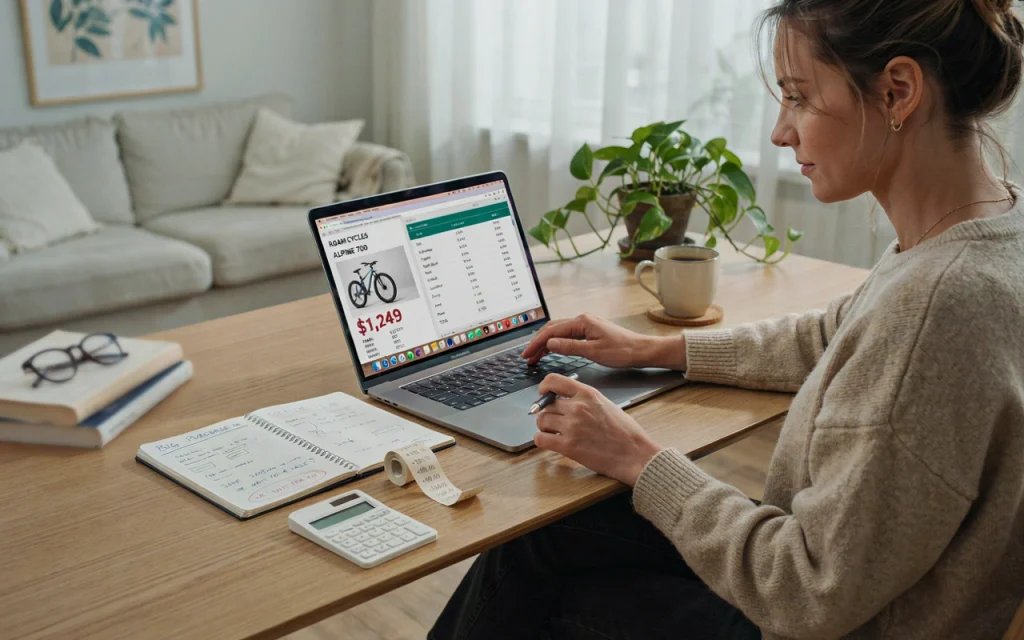
Not every purchase deserves hours of comparison. For inexpensive everyday products, a quick check may be enough. More expensive, technical or difficult-to-return purchases deserve greater attention.
Online directories and guides can help identify possibilities, while current information from retailers, manufacturers and service providers can confirm important details before money is spent.
By considering suitability, complete cost and practical requirements rather than price alone, shopping becomes easier to manage. The result is not necessarily spending less on every purchase, but making choices that are more likely to deliver genuine value.
Frequently Asked Questions
How can I tell whether an online business listing is current?
Check when the information was published or updated and compare important details with the business’s current official information. Opening hours, addresses and services can change.
Is buying the cheapest option usually a good way to save money?
Not necessarily. Consider durability, suitability, delivery, maintenance and other costs. A low initial price can become poor value if the product needs replacing quickly.
What should I check before buying a bicycle?
Consider correct sizing, intended terrain, riding position, key components and necessary accessories. If possible, seek appropriate sizing advice or try the bike before purchasing.
What should I compare when looking at holiday prices?
Compare accommodation, transport, baggage, meals, transfers and booking conditions. Looking at the complete trip cost provides a more useful comparison than the headline price alone.
Why should delivery costs be considered before ordering materials?
Heavy or bulky products can be expensive to transport. Delivery charges, access requirements and minimum order quantities can significantly change the overall cost of a project.